Honours Project 2012
Diabetes
Acknowledgements
DIABETES MELLITUS
Diabetes mellitus is a clinical syndrome characterized by high blood sugar levels due to absolute deficiency of insulin. The lack of insulin affects the metabolism of the body. This causes an increase in the blood sugar levels because there is not enough insulin to reduce the percentage of glucose to its normal level. Insulin is a hormone produced by the beta cells in the pancreas, which helps to control the amount of glucose absorbed into the blood cells. In people with diabetes the beta cells either produce too little or no insulin [6]. Diabetes mellitus constitutes major risk factors and it is one of the major causes of deaths worldwide.
TYPE 1
The main two types of diabetes according to World Health Organization (WHO) classification are Type I and Type II diabetes. Type I diabetes is also known as juvenile diabetes or an insulin dependent diabetes mellitus. Type I diabetes mellitus occurs when the insulin-producing beta cells in the pancreas are damaged. Thus the pancreas does not produce insulin. This condition is most commonly diagnosed in people under the age of 30. However, type I diabetes can occur in older people as well due to destruction of pancreas by alcohol, disease or removal by surgery or progressive failure of pancreatic beta cells which produce insulin.
TYPE 2
Type II diabetes is a progressive condition that occurs when the beta cells in the body are resistant to the effect of insulin. It develops gradually over a period of time but normally runs in families with a history of diabetes. The treatment of this condition usually begins with changes in diet and exercise since it is frequently associated with obesity. Research has shown that around 90% of people with diabetes suffer from type II diabetes. The probability of suffering from this type of diabetes is higher at older population group since it tends to occur in people older than 40 years of age.
GESTATIONAL DIABETES
This type of diabetes affects about most females during last months of pregnancy. Gestational diabetes is normally associated with type II diabetes mellitus prevalence depending on the population group studied. Studies have shown that women with Gestational diabetes mellitus are at risk of developing type II diabetes mellitus in the long term if the correct treatment is not practised at an early stage. Some women have very high levels of glucose in their blood, and their bodies are unable to produce enough insulin to transport all of the glucose into their cells, resulting in progressively rising levels of glucose. Pregnant women have enough insulin, but the effect of insulin is partially blocked by other hormones produced in the placenta during pregnancy. Majority of gestational diabetes patients control their diabetes with exercise and a healthy diet. The disease normally disappears after pregnancy.
PRE-DIABETES
Pre-diabetes is the pre-cursor of diabetes where the blood glucose levels are higher than normal but not high enough to be considered as diabetes. The prevalence of pre-diabetes is about 25% between population groups older than 45 years. About 70% of pre-diabetic patients are more likely to develop Type II diabetes and cardiovascular disease within 10 years. However, if the condition is tackled at this stage through diet, exercise and other healthy lifestyle changes (weight management programme), the risk can be significantly reduced.
CAUSES AND RISK FACTORS OF DIABETES
The cause of Type I diabetes is generally unknown but research has shown that genetic factors are important risk factors, coupled with an abnormal immune response [15]. Medical experts believe that Type II diabetes is caused by a combination of lifestyle and genetic factors. However, in some cases it can be caused by the following factors:
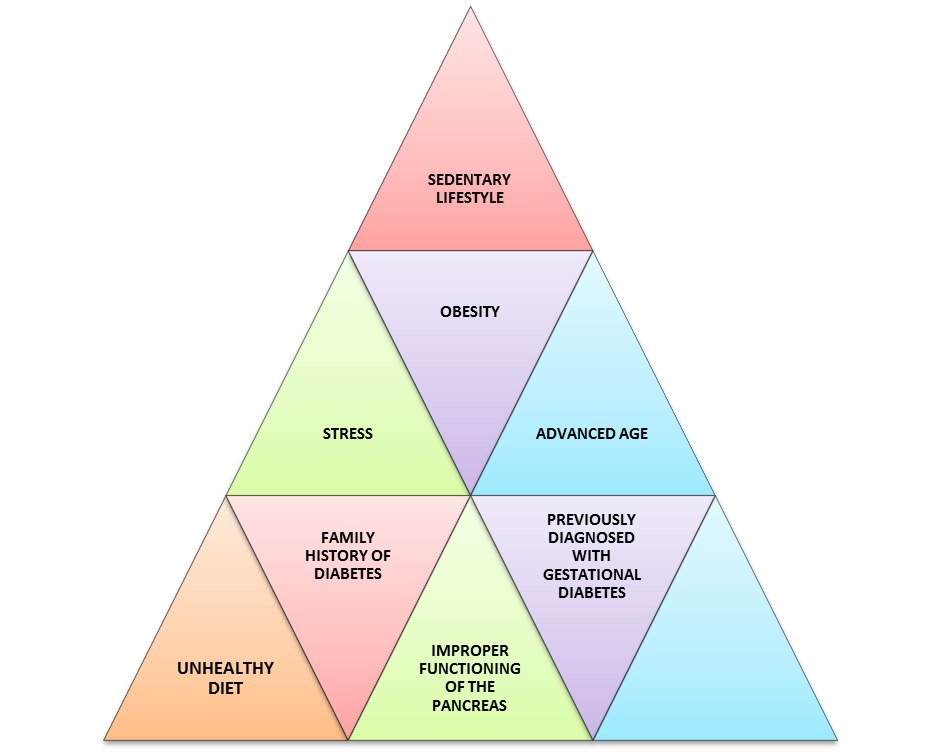
SYMPTOMS OF DIABETES
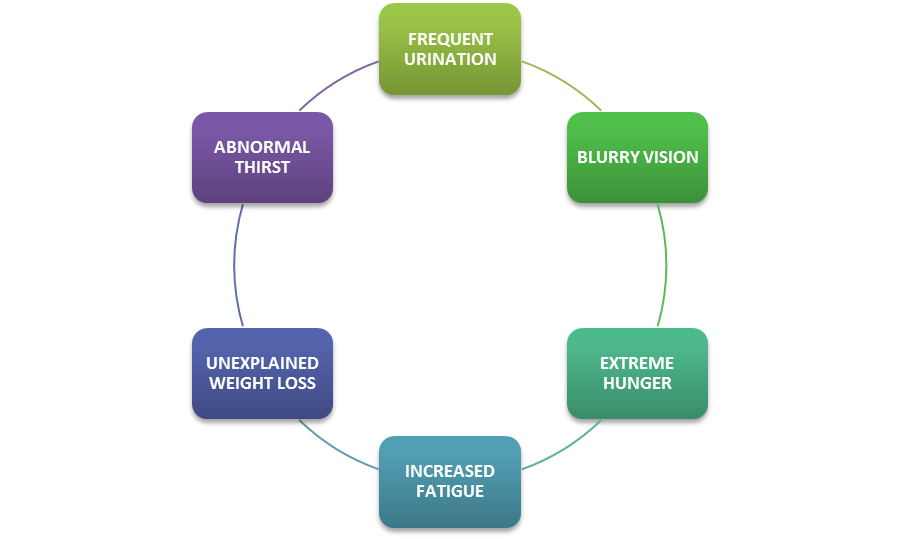
The diabetes symptoms begin to appear when the glucose in the body is not used, but these symptoms fluctuate with the diabetes type. Type I diabetes symptoms are relatively observable, but Type II symptoms are sometimes not very apparent. Some of the main symptoms or warning signs of diabetes which are sometimes major origin of disability are:
DIABETES TREATMENT
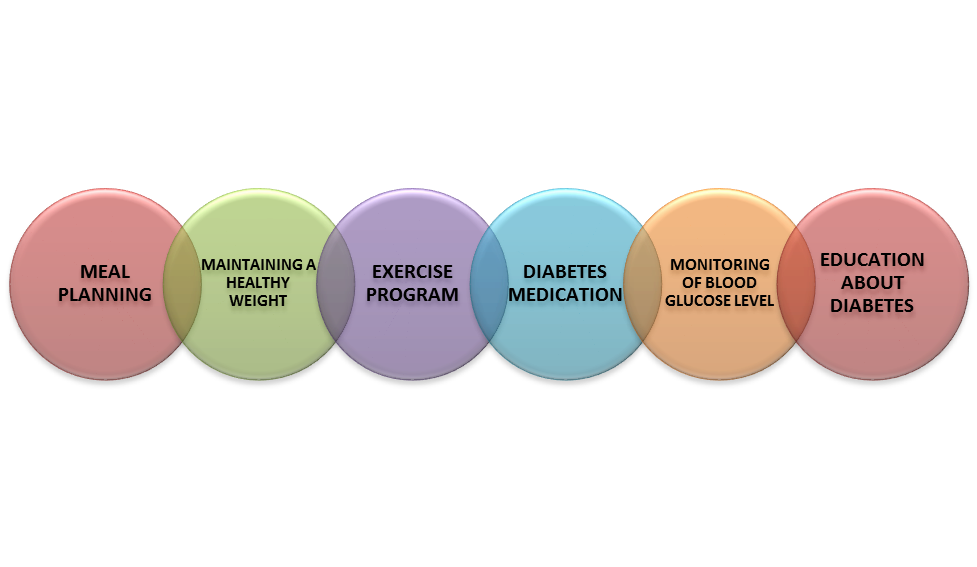
There is no treatment for diabetes. However, it can be controlled by the following lifestyle changes:
- Kevin Brenkel
- Kulani Makhubele
- Dr. Audrey Mbogho
- Dr. Joel Dave